Klara Simmons · 16 October 2026
Cultural Narratives Embedded in Seaside Walkway Designs Across Generations
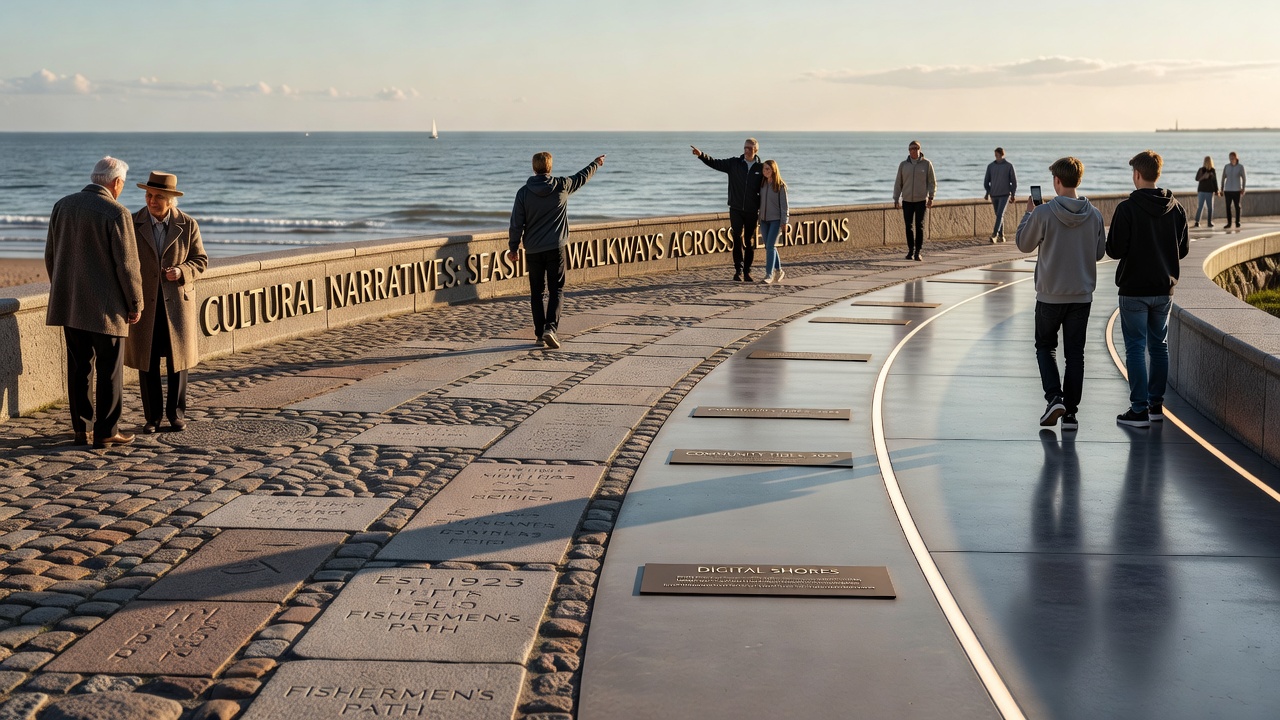
Seaside walkways have long served as physical records of cultural stories, and communities across coastal regions embed these narratives through materials, patterns, and spatial arrangements that span multiple eras. Designers draw from historical precedents while incorporating elements that reflect evolving social values, and this layering creates continuous threads between past and present generations.
Historical Foundations in Early Coastal Pathways
Early seaside walkways in Mediterranean and Northern European towns featured stone and timber constructions that referenced local myths and trade histories, with patterns often derived from ancient navigation symbols and seasonal migration routes. Researchers at heritage institutions note that these designs used repeated geometric forms to represent generational knowledge transfer, such as fishing techniques passed down through families. In many cases, inscriptions along the edges recorded specific events like storm survivals or harvest celebrations, allowing later users to trace community memory through direct interaction with the surfaces.
Archaeological surveys show that 18th and 19th century expansions added wrought iron railings and tiled sections, and these additions frequently included motifs drawn from industrial growth alongside earlier agrarian symbols. The combination produced hybrid layouts where older circular designs merged with linear progressions, reflecting shifts from subsistence economies to commercial ports. Data from regional planning records indicate that such integrations preserved narrative continuity even as populations changed.
Generational Adaptations and Material Choices
Subsequent generations modified walkway surfaces to address new environmental pressures while retaining core symbolic elements, and this approach appears in concrete pours over older cobblestones that still reveal original carvings at intervals. Observers note that mid-20th century projects often introduced abstract representations of migration stories, using color palettes that echoed traditional dyes from indigenous coastal groups. These updates occurred alongside functional improvements like better drainage systems, yet the embedded references to earlier fishing communities remained visible through selective preservation techniques.
Studies conducted by academic teams in North America and Oceania document how post-1970 designs began integrating multimedia panels and lighting arrangements that project generational timelines onto the pathways themselves. Communities in these regions selected materials such as reclaimed driftwood and locally sourced aggregates to maintain tactile connections with the shoreline environment, and the choices reinforced stories of adaptation across decades. Figures from heritage inventories reveal consistent patterns where each renovation phase added one new layer without erasing prior ones.
Regional Examples of Layered Symbolism
Along the Pacific coasts, walkway designs frequently combine pre-colonial navigation stars with later industrial port markers, creating sequences that users encounter in order as they move from urban edges toward open water. European examples show similar progressions where Roman road remnants sit beneath contemporary public art installations that depict 20th century labor movements. Australian coastal projects have incorporated Aboriginal songline references through etched stone arrangements that align with seasonal wind patterns, and these elements sit alongside British colonial survey lines in the same linear path.
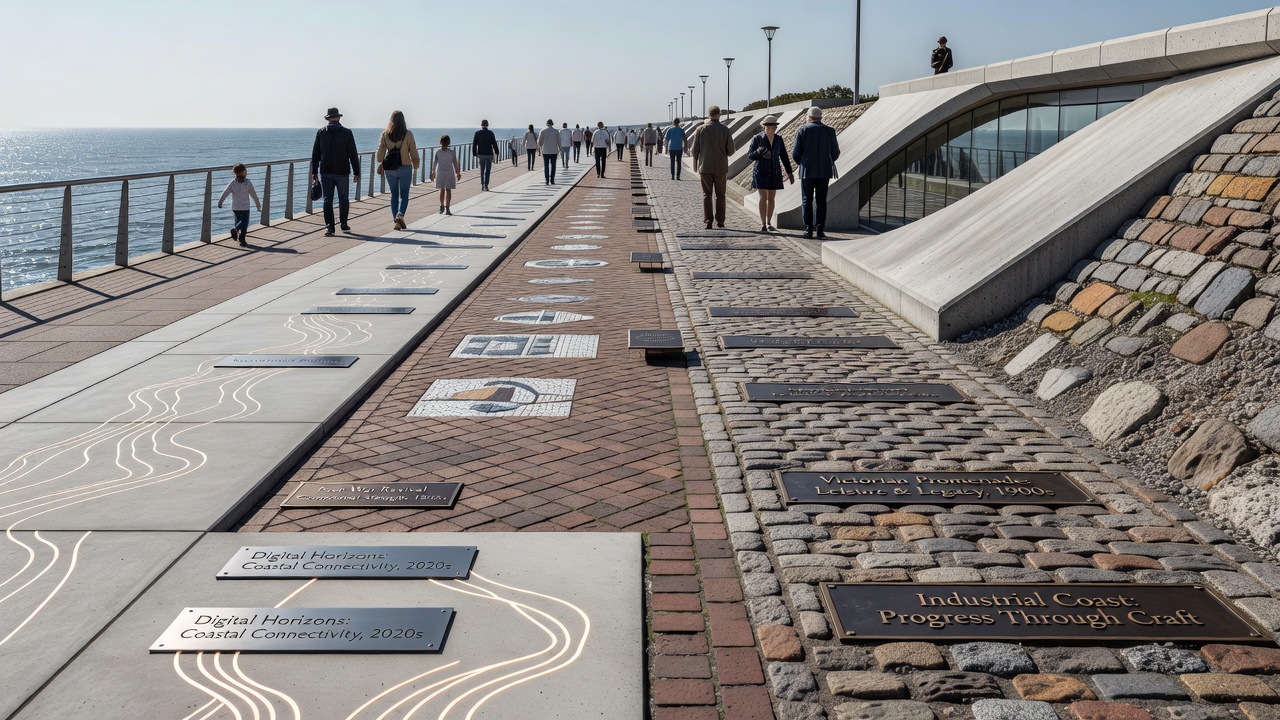
North American boardwalks in certain historic districts preserve sections of original timber decking marked with ship names from the 1800s, while adjacent areas feature stainless steel inlays that record 21st century climate data visualizations. Government reports from environment agencies in Canada and Australia highlight how these combined features support educational programs that teach successive age groups about continuous cultural presence on the same stretches of shore.
Contemporary Interpretations and Documentation Practices
Current design protocols in multiple countries require consultation with descendant communities before new sections receive approval, and this process ensures that emerging narratives receive space alongside established ones. Digital mapping initiatives now catalog the symbolic layers present in existing walkways, allowing planners to reference specific generational contributions during upgrades. According to documentation from international cultural organizations, these records help maintain accuracy when translating oral histories into physical forms such as raised relief panels or color-coded paving zones.
Projects scheduled through late 2026 continue to reference archival photographs and oral accounts to verify motif placement, resulting in walkways that function simultaneously as transit routes and public archives. Industry groups focused on sustainable coastal development report that the integration of these cultural markers correlates with increased community stewardship of the sites, though the primary mechanism remains the visible continuity of design elements across time periods.
Conclusion
Seaside walkway designs accumulate cultural narratives through deliberate material and pattern choices that connect successive generations, and evidence from multiple regions demonstrates consistent practices of preservation alongside innovation. The resulting landscapes provide tangible records that users navigate both physically and interpretively, preserving stories without requiring separate interpretive structures.